Jester
 LEISURE
 PARAKITELEISUREPARAKITE
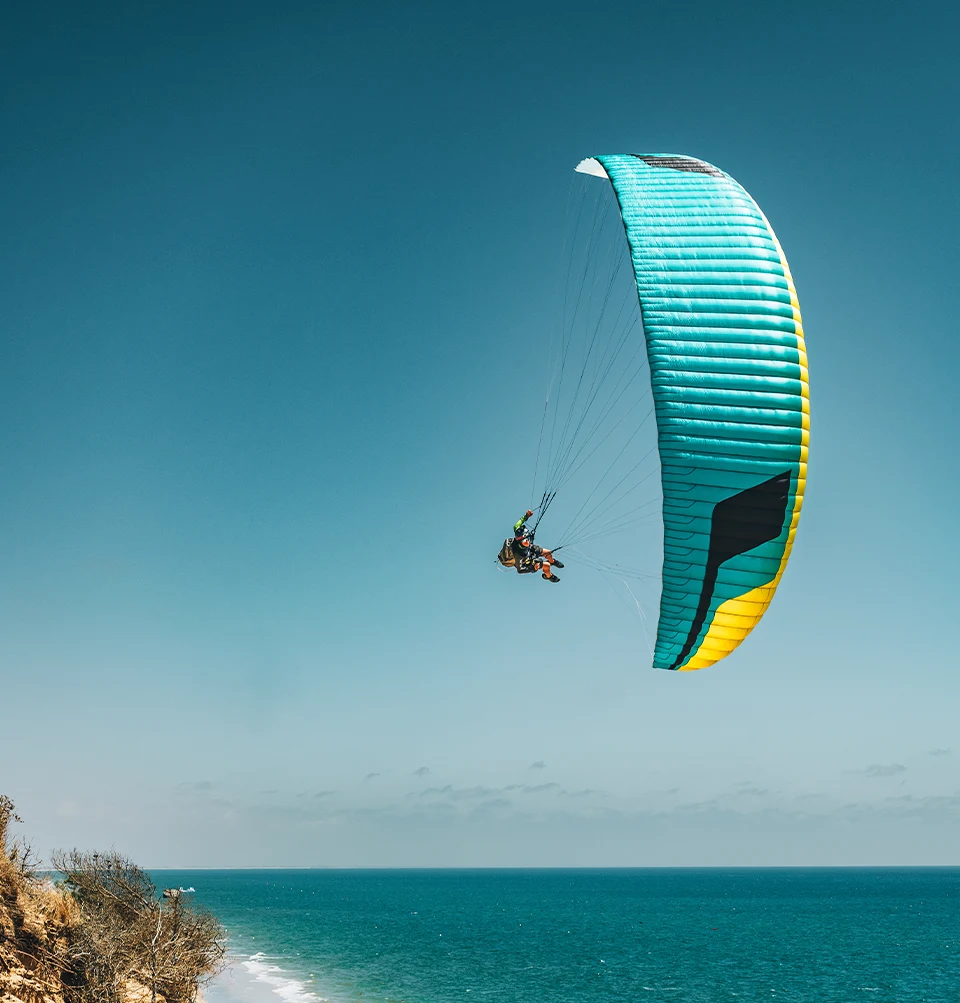
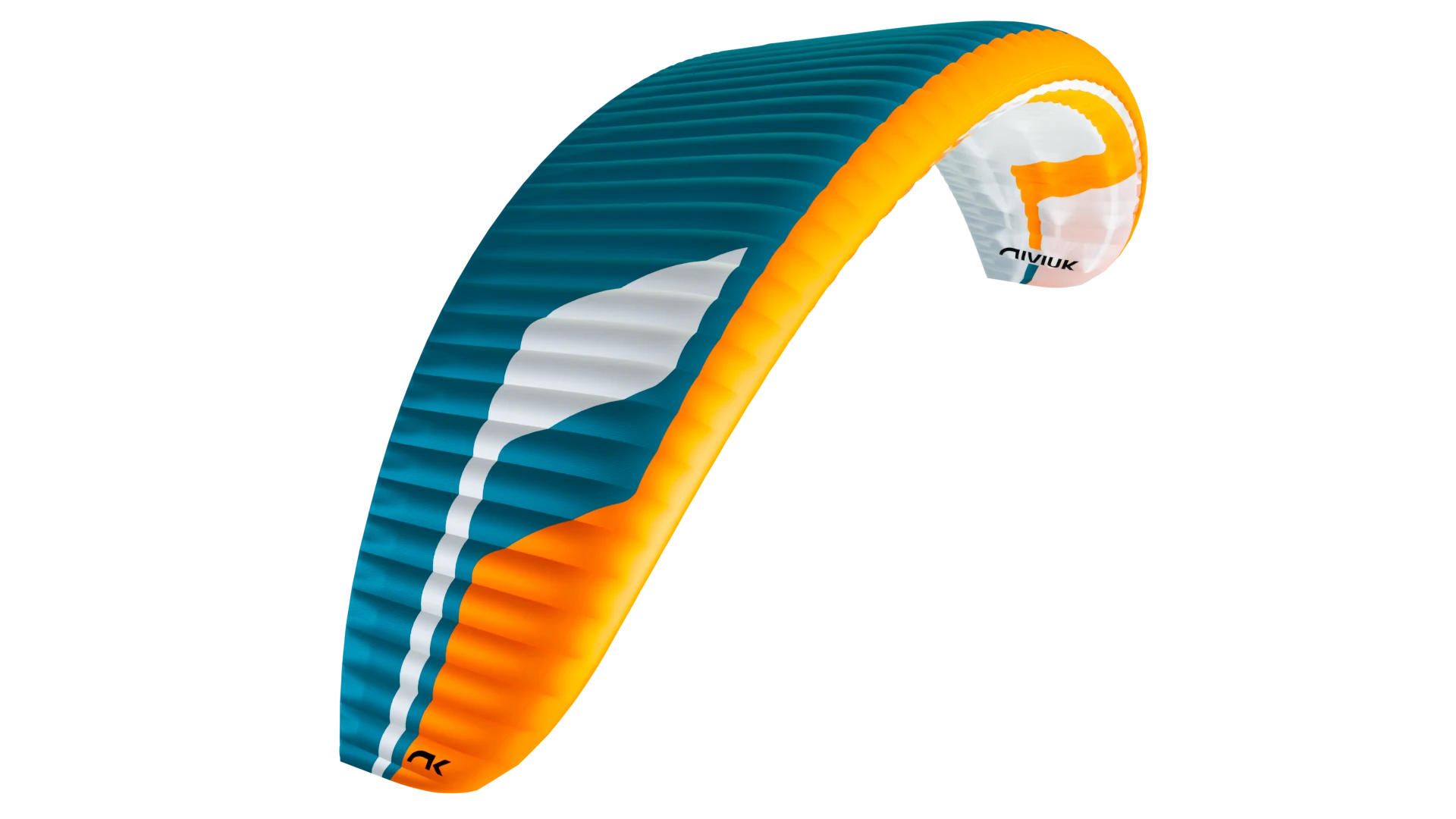
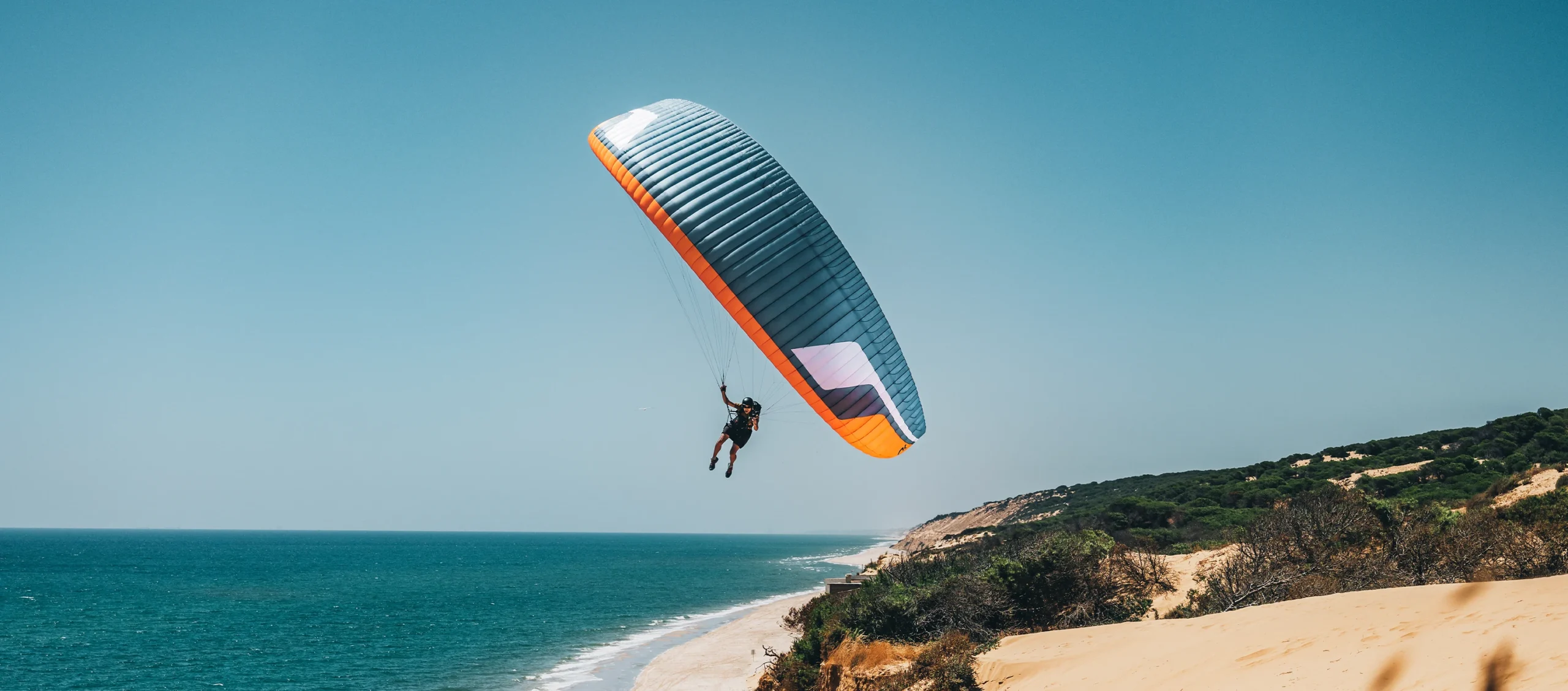
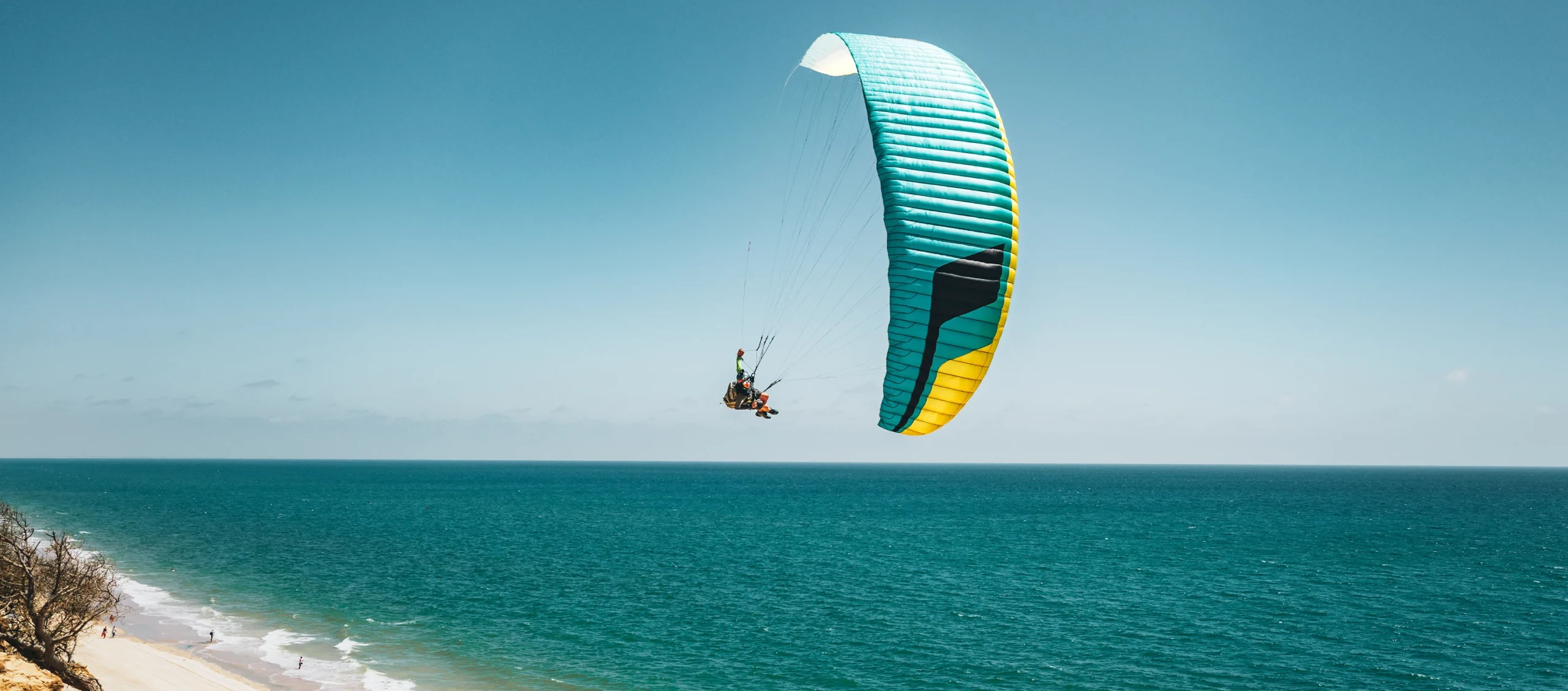
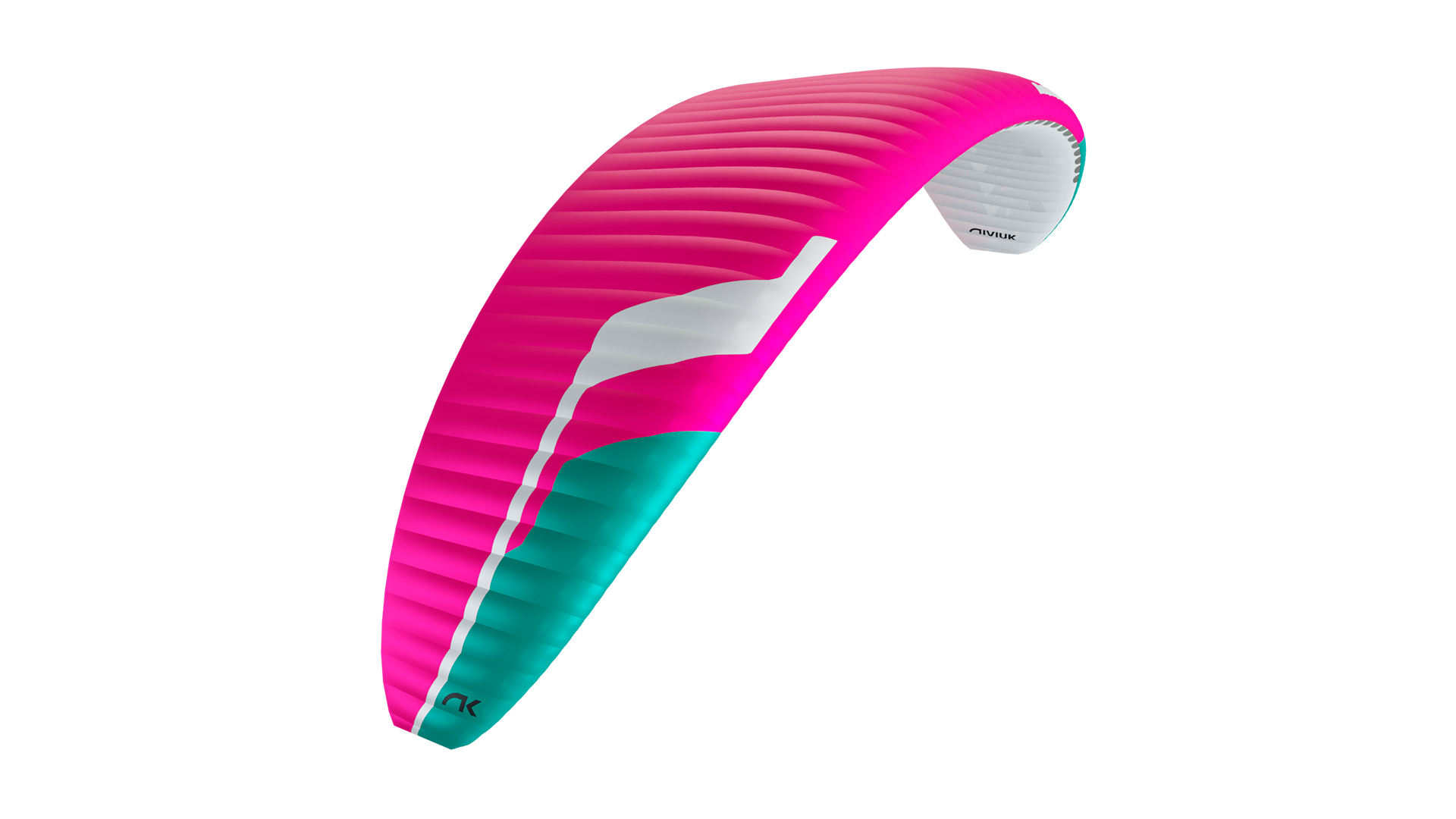
The Jester is our first parakite. Designed utilising on our experience with paragliders and developing kite wings for third parties, it offers a radically fun flying experience. It combines speed, agility and control for dynamic descents and proximity flying.
Fast, precise and playful. Piloting through the risers allows you to automatically adjust the wing’s angle of attack, keeping it stable even at top speed. The Jester invites you to discover a new way to play with the wind.
Parakite
The Jester breaks all the old rules: it is a parakite designed to experience playful flying, but requiring an active piloting attitude. An immersive, technical and incredibly fun experience. Fly close to the ground, adjusting your altitude precisely, but always in full control.
Soaring
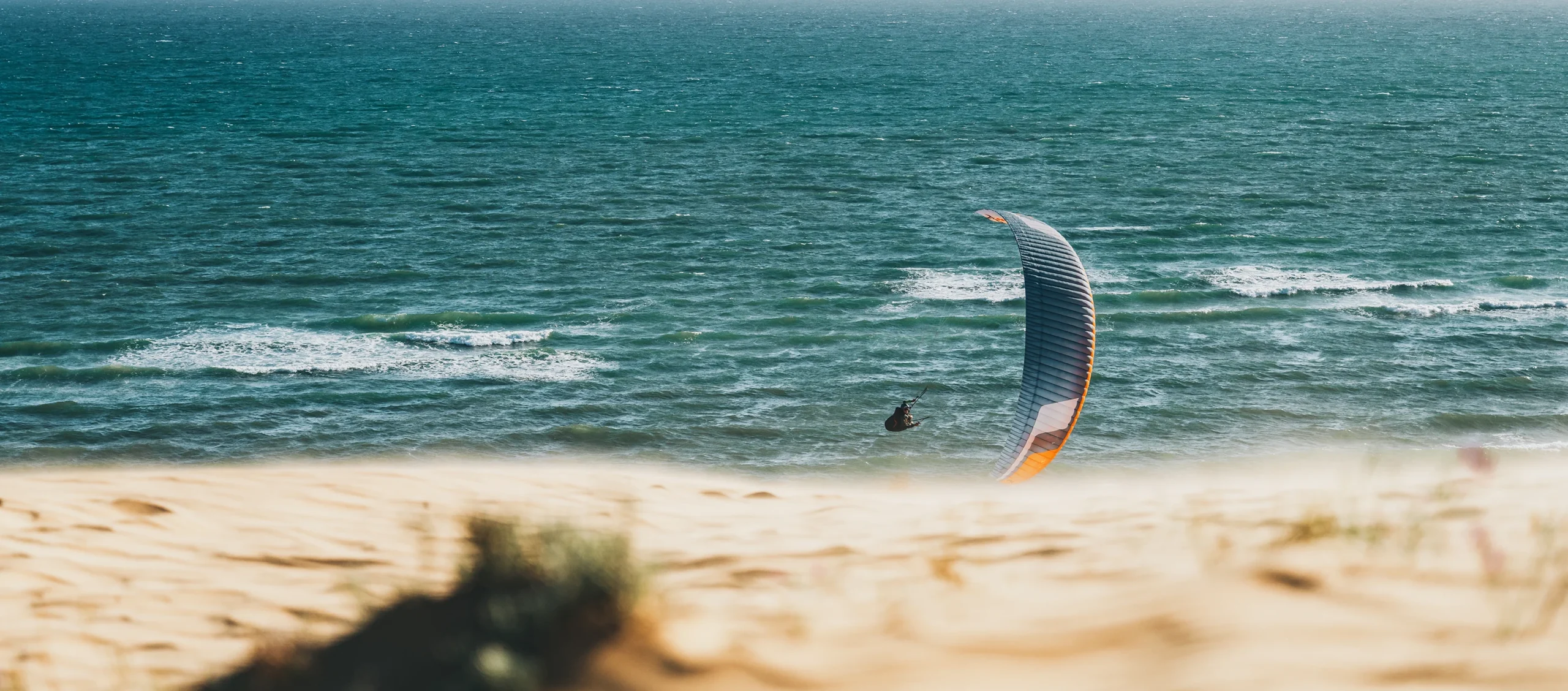
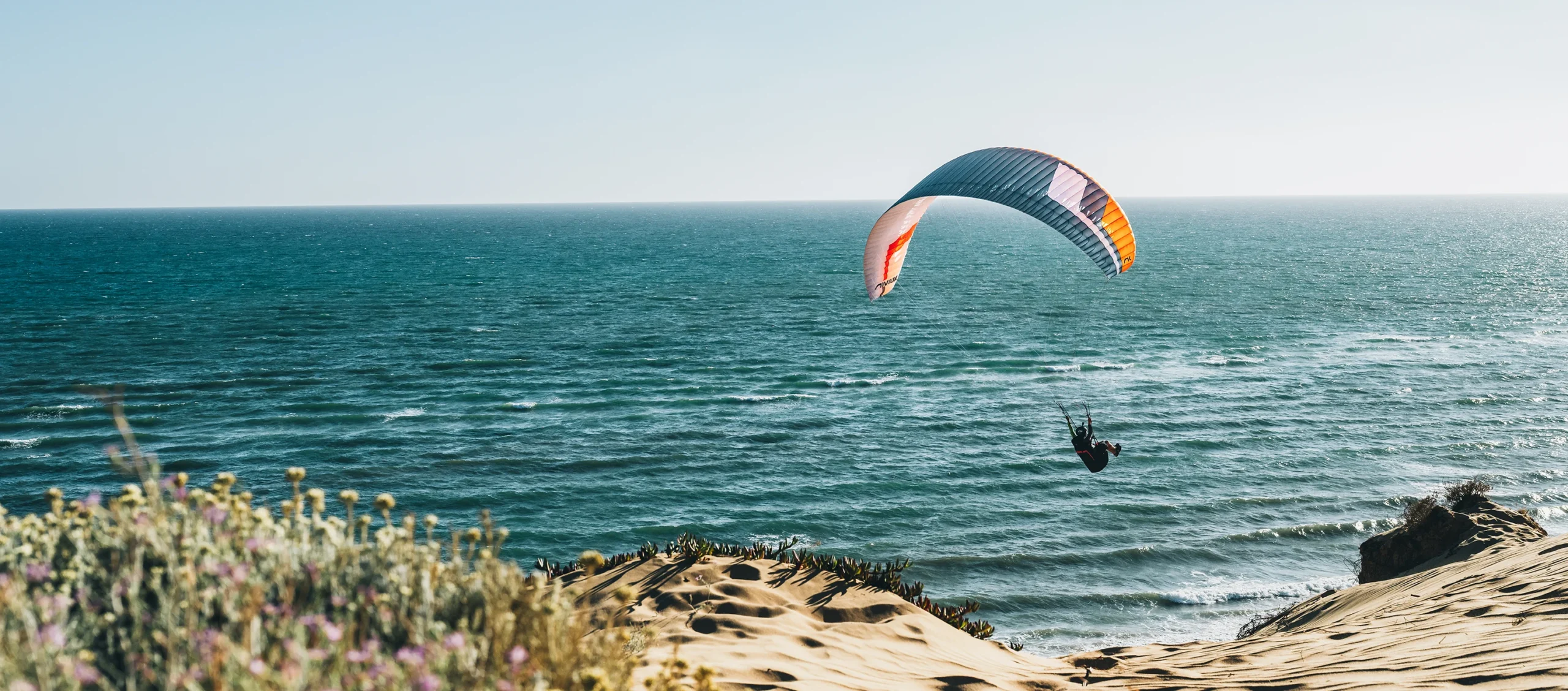
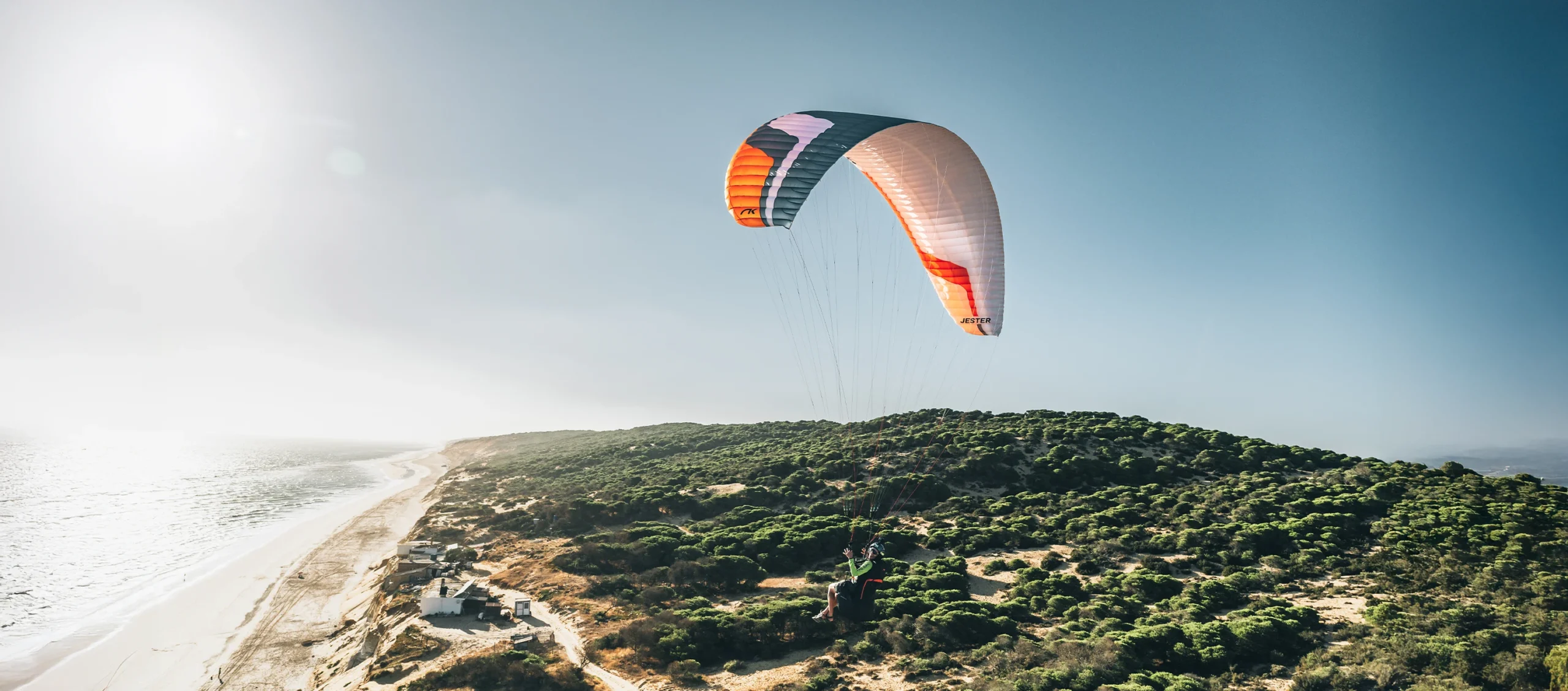
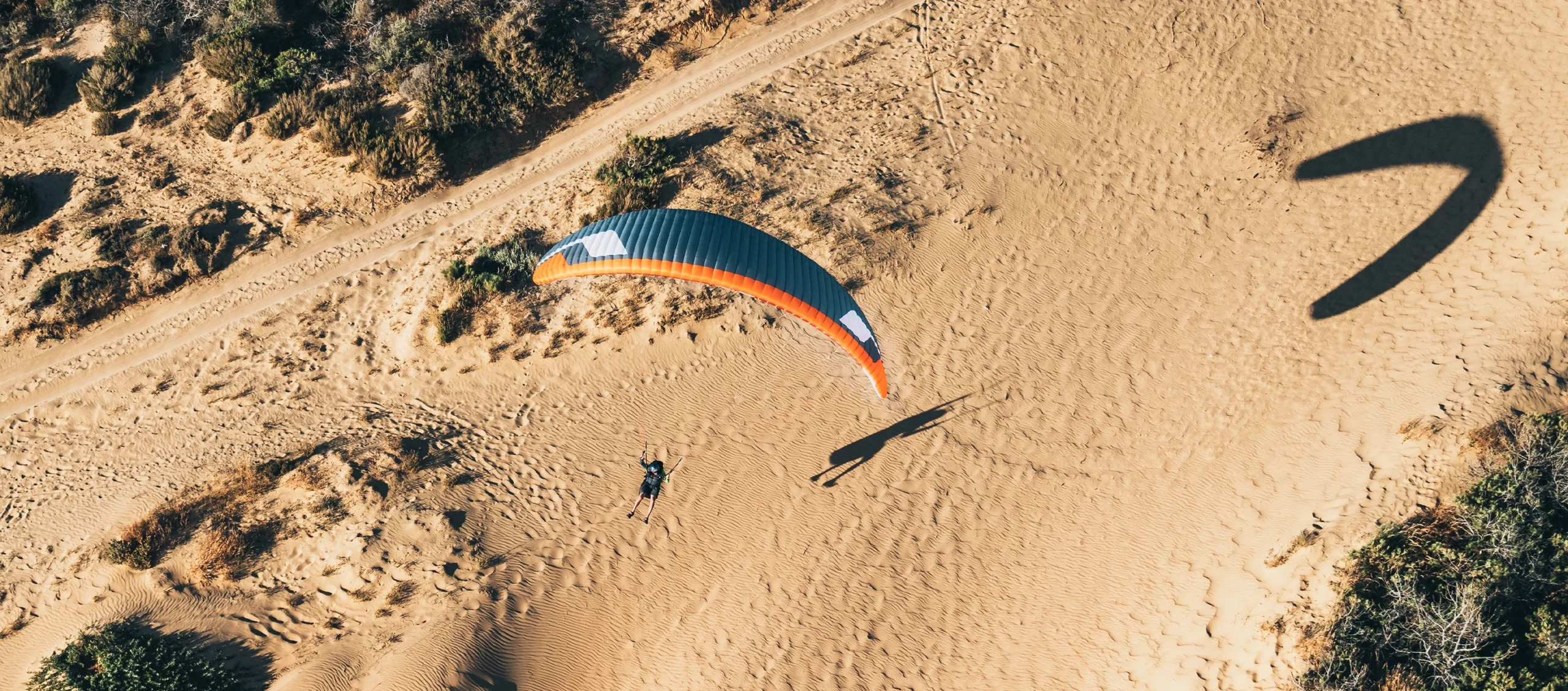
Perfect for soaring sessions on dunes, in strong (yet smooth) winds, dynamic descents near the terrain or proximity flights.
Leisure
Above all, the Jester is a true toy. Designed purely for fun, it turns any windy slope into your personal amusement park.
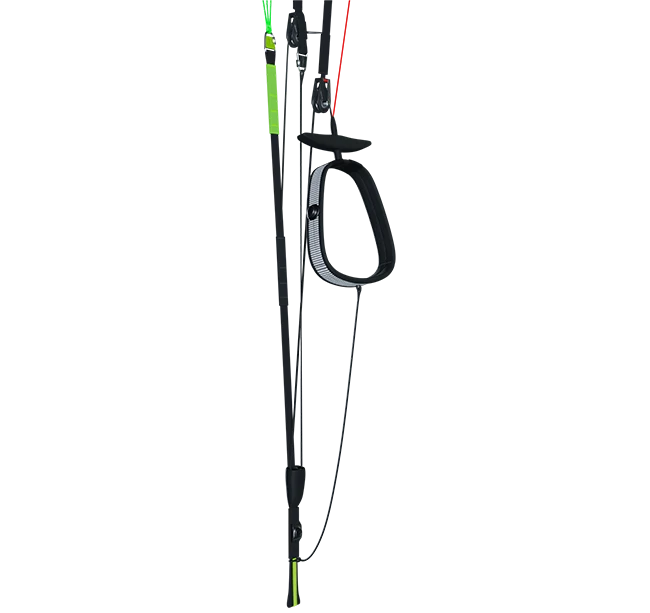
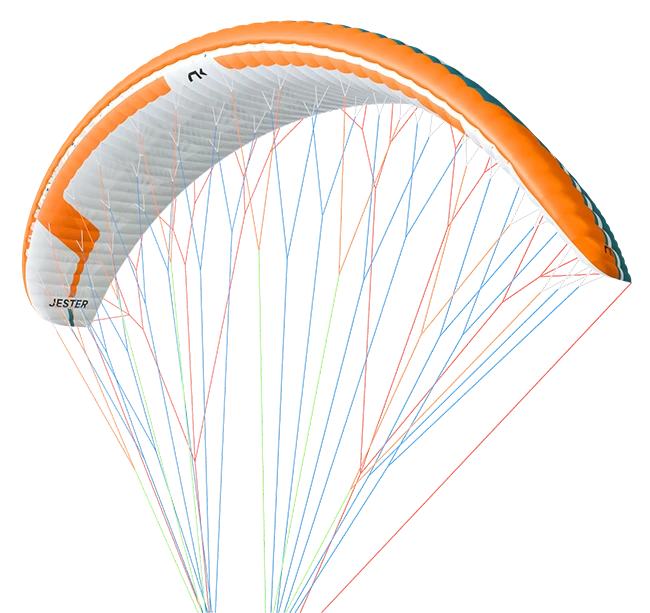
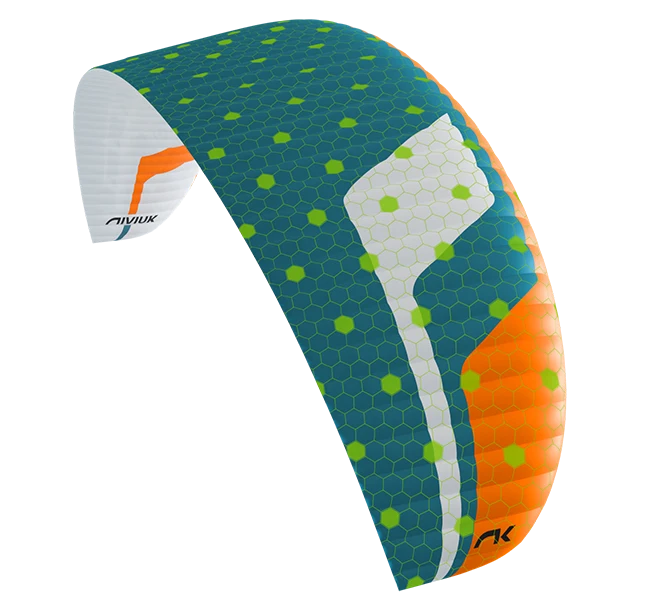
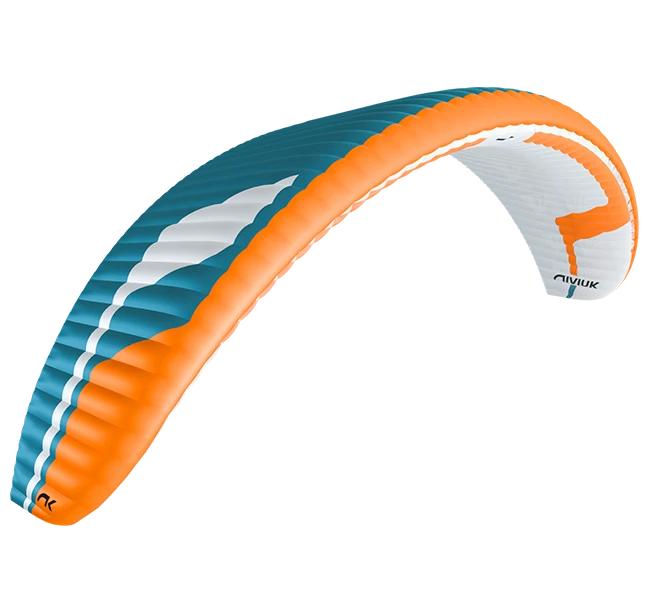
The risers let you adjust the angle of attack: by raising your hands, the wing accelerates and releases brake pressure simultaneously, pitching forward decisively. This turns piloting into a dynamic and fluid experience.
Whether you want to fly close to a slope, make a steep descent or indulge in coastal soaring in strong winds – the Jester offers full control.
The Jester is a very fast wing with agile, responsive handling and sharp, precise turns.
At low speeds, it stands out for its accessible and predictable behaviour. The progressive, intuitive brake pressure provides the ideal safety margin for flaring and smooth landings.
Built to handle rough terrain like windy slopes, sand and repeated contact with the ground, the materials used guarantee strength, resulting in a durable and reliable wing.
While it is designed more for descending than for gliding, in the neutral brake position it still offers some lift, making it easier to maintain control and glide.
The risers let you adjust the angle of attack: by raising your hands, the wing accelerates and releases brake pressure simultaneously, pitching forward decisively. This turns piloting into a dynamic and fluid experience.
Whether you want to fly close to a slope, make a steep descent or indulge in coastal soaring in strong winds – the Jester offers full control.
The Jester is a very fast wing with agile, responsive handling and sharp, precise turns.
At low speeds, it stands out for its accessible and predictable behaviour. The progressive, intuitive brake pressure provides the ideal safety margin for flaring and smooth landings.
Built to handle rough terrain like windy slopes, sand and repeated contact with the ground, the materials used guarantee strength, resulting in a durable and reliable wing.
While it is designed more for descending than for gliding, in the neutral brake position it still offers some lift, making it easier to maintain control and glide.

3DL technology is an adjustment of the fabric at the leading edge of the wing to control the ballooning and the creases that are generated by the curvature in this area. The leading edge is then divided into sub-panels which are sewn into each of the cells at the front of the paraglider. As a result, the leading edge of the wing is perfectly tensioned, which benefits the wing in performance and durability.
A good comparison is a rugby ball. In order to produce its characteristic oval shape without creases, its cover is made of several panels – not of just one piece.
The application of this innovation, in conjunction with the 3DP, is key to converting the perfect shape from 2D to 3D.
The RAM Air Intake system is based on the inward orientation of the air inlets in the profile so that they allow an optimum internal pressure at all angles of attack.
The result? Having greater internal pressure means better buffering of turbulence, greater consistency of the profile shape across the speed range. Excellent handling at low speed is achieved by allowing the pilot to extend the braking limit, so there is a lower risk of collapse and consequently, greater control and stability.
This technology seeks to implement the best orientation of the cloth on each panel according to its location on the leading edge. If the cloth pattern is correctly aligned with the load axes, the cloth suffers less deformation flight after flight, so the leading edge maintains its shape better and remains stronger over time.
The design of our paraglider and paramotor wings has evolved a lot over the years, with a positive and specific focus on the leading edge.
Thanks to this technology and 3DL, a perfect modelling of the panels and an exact representation from 2D to 3D is achieved.


Nitinol is a combination of 50% nickel and 50% titanium. The incorporation of Nitinol rods in the profile increases the performance of the wing, especially in three areas:
- Compared to nylon rods, the weight of the wing is reduced by 13%.
- Nitinol has two essential characteristics: shape memory and enormous elasticity. As a result, the rods retain their optimum shape even after an ultra-compact or incorrect folding, so that the wing is not deformed. This will always be the case unless the radius at the point of curvature is less than 1 cm.
- The leading edge shape is much more rigid and uniform which results in a much more consistent and progressive inflation and therefore an easier take off. The profile is taut at all times, without creases, and fully optimised for all flight phases.
In addition, the rods have a plastic protector at their ends to prevent any damage to the fabric of the wing.
Nitinol is now featured in all our wings.

With the Jester, we use the new Parakite System (PKS) for the risers, which connects the brakes to a pulley system that lets you adjust the angle of attack.
When you raise your hands, the wing accelerates pitchingforward and loses altitude. When you lower them, gradually slows it down by increasing the angle of attack, causing it to gain altitude. At the neutral point, the wing reaches its maximum glide performance.
With the Jester, we use the new Parakite System (PKS) for the risers, which connects the brakes to a pulley system that lets you adjust the angle of attack.
When you raise your hands, the wing accelerates pitchingforward and loses altitude. When you lower them, gradually slows it down by increasing the angle of attack, causing it to gain altitude. At the neutral point, the wing reaches its maximum glide performance.
The reflex profile curvature tends to stabilise automatically, making the Jester extremely collapse resistant.
To prevent sand or debris from building up inside, the Jester features an internal system that channels particles towards the wingtips, where they exit through dedicated slots. This longitudinal channel runs along the entire trailing edge, keeping the inside of the wing clean at all times.
The mini-ribs are sewn directly to the trailing edge, resulting in a cleaner profile with no external seams and protecting the fabric from wear and tear when in contact with the ground.
Nitinol rods in the leading edge and mid-rear part of the profile help the wing keep its shape perfectly over time.
Thanks to 3DL and 3DP technologies, the wing’s shaping is highly precise. The accuracy in cutting and sewing the wing results in a much cleaner finish, reducing creases and lessening aerodynamic drag.
The RAM Air Intake system channels air to keep internal pressure stable across the entire speed range, preventing pressure loss and profile deformation.
| 14 | 16 | 18 | 21 | 24 | |||
|---|---|---|---|---|---|---|---|
| CELLS | NUMBER | 53 | 53 | 53 | 53 | 53 | |
| ASPECT RATIO | FLAT | 5,50 | 5,50 | 5,50 | 5,50 | 5,50 | |
| PROJECTED | 4,20 | 4,20 | 4,20 | 4,20 | 4,20 | ||
| AREA | FLAT | m² | 14 | 16 | 18 | 21 | 24 |
| PROJECTED | m² | 11,91 | 13,62 | 15,32 | 17,87 | 20,42 | |
| SPAN | FLAT | m | 8,78 | 9,38 | 9,95 | 10,75 | 11,49 |
| CHORD | MAXIMUM | m | 1,97 | 2,11 | 2,24 | 2,42 | 2,59 |
| LINES | TOTAL | m | 184 | 198 | 211 | 228 | 245 |
| MAIN | 3/3/3 | 3/3/3 | 3/3/3 | 3/3/3 | 3/3/3 | ||
| RISERS | NUMBER | A/B/C | A/B/C | A/B/C | A/B/C | A/B/C | |
| GLIDER WEIGHT | kg | 3,29 | 3,65 | 3,95 | 4,55* | 5,20* | |
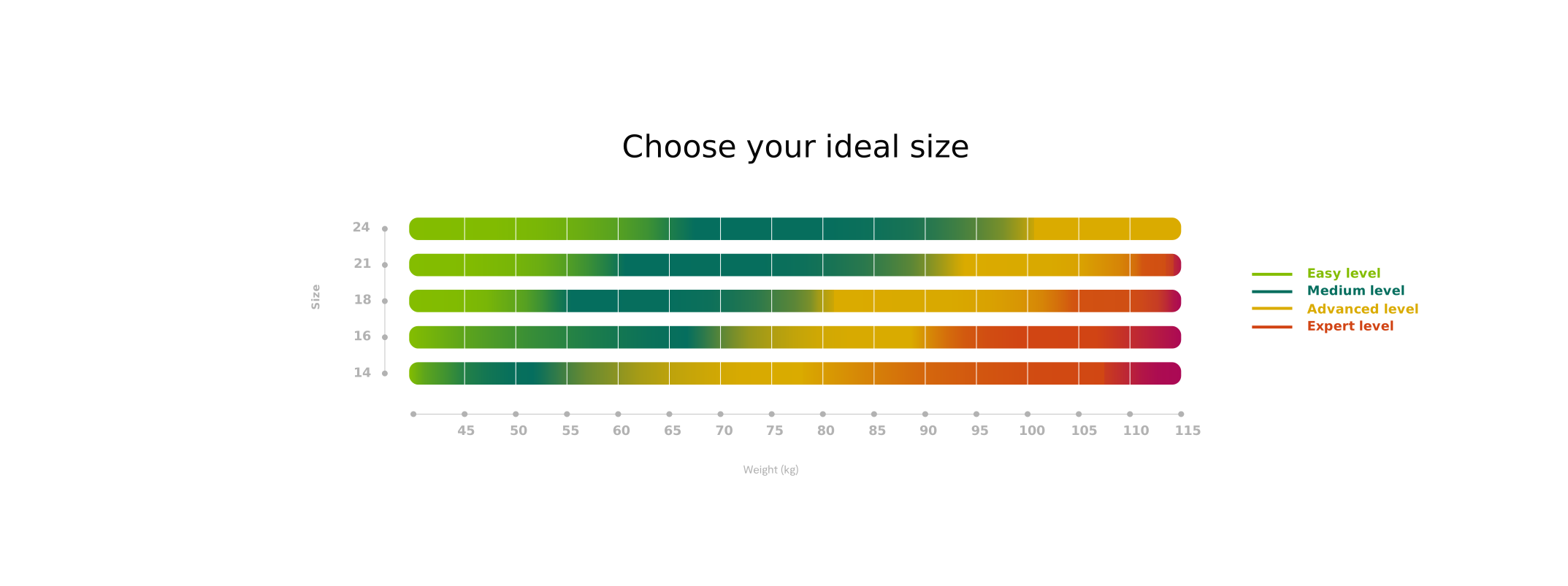
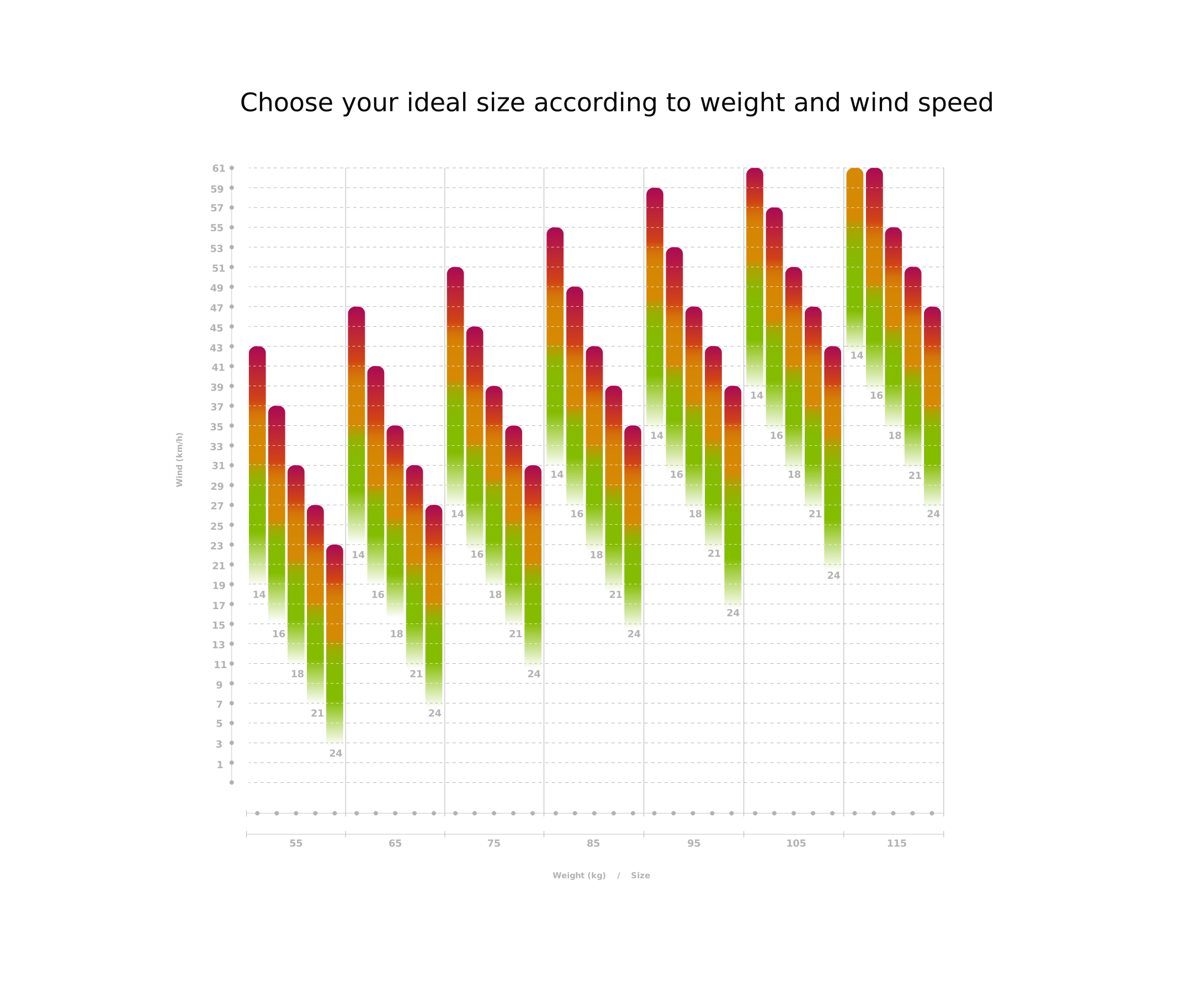
| TOTAL WEIGHT IN FLIGHT | MIN-MAX | kg | Max. 115 | Max. 115 | Max. 115 | Max. 115 | Max. 115 |
| CERTIFICATION |
EN 926-1
|
EN 926-1
|
EN 926-1
|
EN 926-1
|
EN 926-1
|
* To be confirmed.
The total weight of the wing may differ ±2% due to variations in the weight of the fabric supplied by the manufacturers.
Jester
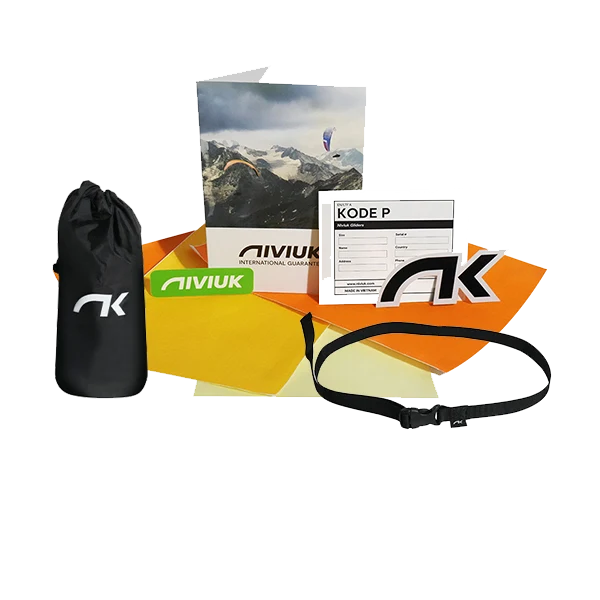
It contains an 8-digit code that, when entered in the MyNiviuk section, can be used for product registration, to carry out procedures and request maintenance.